
M&A in the SME Sector: Financing is not the Problem
Demographic change is just one reason why an increasing number of German small and medium-sized enterprises (SMEs) are facing the question: Should I sell my company?
Reproduction of article published by "DUP UNTERNEHMER Magazine"
08/22/2025

Currently, uncertainties for businesses are high, and times are challenging due to rising interest rates, inflation and geopolitical conflicts. Nonetheless, while large transactions are stagnating, the German SME sector continues to change, which is also impacting the market for Mergers & Acquisitions. Jens Krane, Head of M&A at Commerzbank, observes how the ownership and leadership of many companies is changing and explains why now is the right time for planning.
DUP UNTERNEHMER Magazine: How would you assess the current market for business acquisitions in the German SME sector?
Jens Krane: Transactions in the small and medium-sized segment remain relatively stable whereas we’re seeing significantly less movement when it comes to large-scale deals. This is because sales decisions in the SME sector are often not driven by market considerations but by personal or strategic motives – for instance, the lack of a successor or health reasons. Interest rates and inflation often play a secondary role here. However, geopolitical uncertainties are a noticeable factor, making planning more difficult for both buyers and sellers.
In the coming years, more and more business owners will face succession challenges due to demographic change. How well prepared are SMEs for this?
Krane: Unfortunately, not well enough in many cases. In the U.S., company exits – whether a public listing or a sale – are a common entrepreneurial goal. In Germany, on the other hand, selling a business is often seen as a last resort rather than a strategic decision. Many people hope their children will take over and prefer to postpone dealing with the matter. As a result, succession situations often arise under time pressure – whether due to age, health issues, or simply a lack of alternatives.
But demographic trends have been foreseeable for years. Why, then, is so little planning done?
Krane: Avoidance plays a big role. Many entrepreneurs find it hard to admit that they should hand over operational responsibilities. While this is human, it is risky from a business perspective. A professional process would allow for a much smoother transition.
How has the balance of power shifted between buyers and sellers?
Krane: Since 2022, the market has clearly shifted in favor of buyers, at least when there is no unique selling point such as a technological innovation or a strong brand. Strategic buyers currently dominate the landscape because many are using acquisitions to react to market changes: consolidation, vertical integration, or technological advancements. Financial investors are being more cautious but still remain active.
What about financing? Is it a limiting factor in acquisitions?
Krane: No. Currently, we hardly see any transactions failing due to a lack of financing. Banks still play a central role, particularly for strategic buyers and individuals acquiring smaller firms. Meanwhile, in the private equity space, funds are often available as a financing source. Overall, liquidity in the market remains sufficient.
Nevertheless, buyers' and sellers' price expectations often diverge. Are you seeing increased tensions because of this?
Krane: Not really. Our experience shows that once a business owner decides to pursue succession, they are committed to completing the transaction. By that stage, price expectations are usually aligned with what the market can realistically bear. It is crucial that we communicate clearly and transparently early in the process about what is realistic. This helps to avoid disappointment and builds trust. The expertise that comes with engaging an investment bank pays off, especially in sensitive areas like determining a market-appropriate valuation.
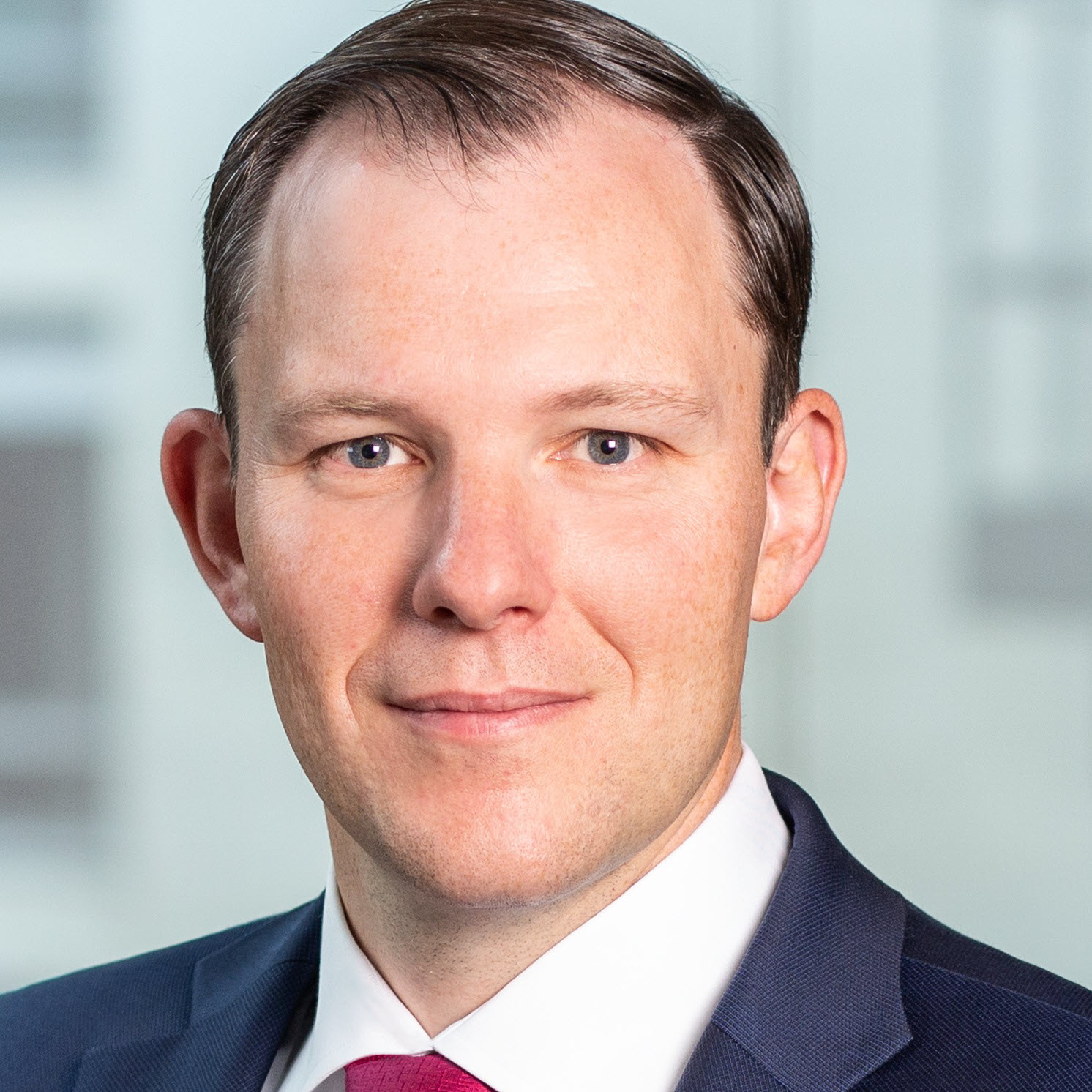
Head of M&A, Commerzbank
Which sectors are particularly active at the moment?
Krane: We’re seeing above-average activity in manufacturing and industrial sectors, which reflect Germany’s economic structure. Notably, the more a sector is affected by transformation, the greater the M&A activity. Buyers are seeking growth, while sellers are looking for solutions in increasingly challenging markets.
How do you see business succession evolving over the next five years?
Krane: A massive wave of successions is inevitable. How it plays out, however, will depend on individual cases. Whether through family takeover, employee buyouts, foundation structures, or external management – all options are possible. What is clear is that younger generations are significantly less willing to take on entrepreneurial responsibilities compared to the past. Many are reluctant to take on the burden, and some senior owners even warn their children against it.
That’s a sobering outlook. Do you also see positive developments?
Krane: Absolutely. Many SMEs view the current challenges as opportunities to strengthen their position through targeted acquisitions. This not only secures jobs but also safeguards Germany's economic position.
The interview was conducted and published in German. We received the permission to translate it into English from the DUP UNTERNEHMER Magazine.


